
Electric cars lose noticeable range in cold conditions. The battery is only part of the reason, and usually not the largest part.
Cabin heat has no free source
A combustion engine wastes most of its fuel energy as heat, so warming the cabin costs almost nothing extra. An electric drivetrain is efficient enough that no such surplus exists.
Heating an electric car therefore draws directly from the battery, and the load is substantial. On a short trip it can rival the energy used to move the vehicle.
This is why winter range loss is worst in stop-start driving. The heater runs continuously while the distance covered stays small.
Cold chemistry raises internal resistance
Lithium cells rely on ions moving through an electrolyte. At low temperatures that movement slows and internal resistance rises.
Higher resistance means more of the stored energy is lost as heat inside the pack rather than delivered to the motor, and the usable capacity falls.
The effect is largely reversible. A pack that shows reduced capacity in freezing conditions returns to normal once warmed, unlike genuine degradation.
Preconditioning moves the load
Warming the cabin and pack while still connected to a charger uses grid power rather than stored charge. The energy is spent either way, but not from the range budget.
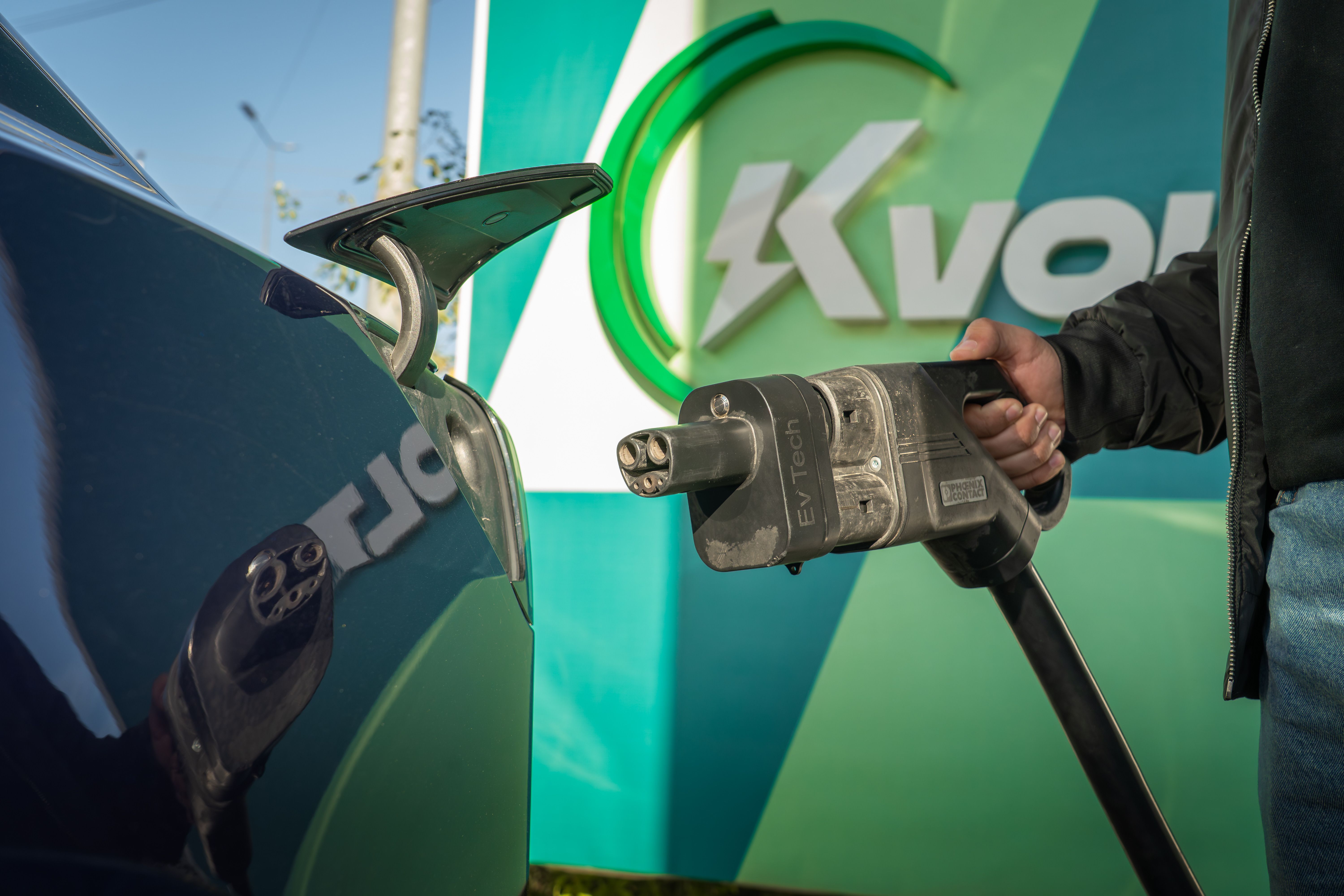
Preconditioning also brings the battery into a temperature range where it can accept charge quickly, which matters before a fast charging stop.
Cars that precondition automatically when a charger is set as a destination are solving the same problem without requiring the driver to plan.
Heat pumps change the arithmetic
A resistive heater converts electricity into heat at roughly one to one. A heat pump moves existing heat instead, delivering several units of warmth per unit of electricity.
Their advantage narrows as outside temperatures fall, since there is less ambient heat available to move, and many designs supplement with resistive elements in severe cold.
Even with that limitation, the reduction in winter consumption is large enough that heat pumps have spread from premium models downward.
Charging is slower as well
A cold pack cannot safely accept high charging current, so a fast charger will deliver less power until the battery warms.
The car may spend the first portion of a session heating the pack, which is why a winter stop can take considerably longer than the same stop in summer.
Arriving with the pack already warm, through preconditioning or simply through motorway driving, removes most of that penalty.