
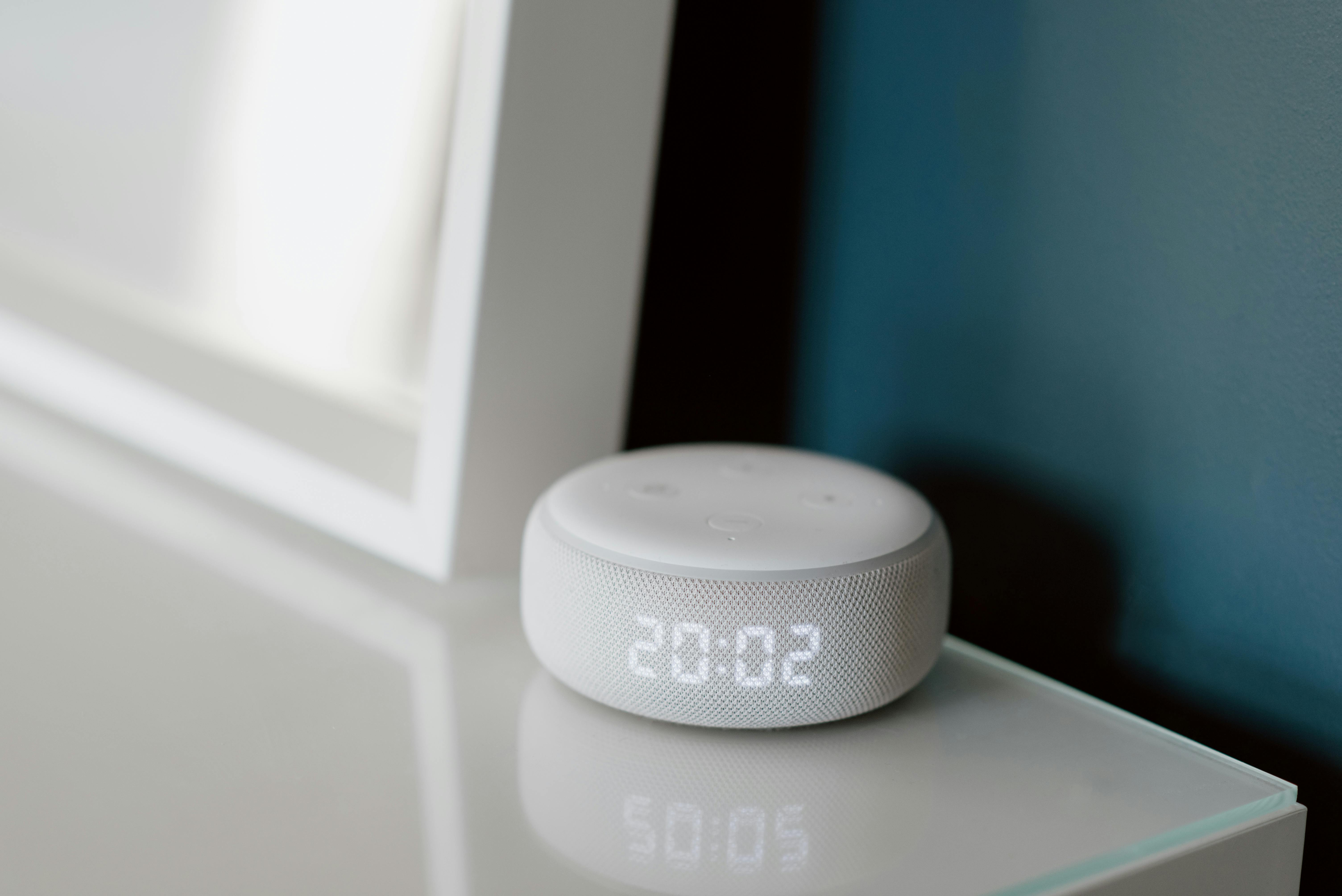
A home network can carry high-speed video comfortably and behave poorly once a few dozen smart devices join it. The problem is not bandwidth but airtime and connection count.
Cheap devices use the crowded band
Most inexpensive connected products support only the lower frequency band, because radios for it are cheaper and its range is better through walls.
That band has few non-overlapping channels and is shared with neighbouring networks, cordless devices and other household equipment.
Adding devices there concentrates traffic in the most contested part of the spectrum, which is precisely where a network can least afford it.
Airtime matters more than data volume
Wireless is a shared medium where only one device transmits at a time within range, so the resource being consumed is time rather than capacity.
A device connecting at a low data rate occupies the channel for far longer to send the same small message than a fast device would.
A handful of distant, slow devices can therefore consume a disproportionate share of available airtime while transferring almost no data.
Connection state accumulates at the router
Every connected device holds an address assignment, a connection table entry and often a persistent connection to a manufacturer's server.
Consumer routers have limited memory for this state, and behaviour degrades once the tables fill, sometimes as intermittent failures rather than a clear error.
This is why a network that worked with twenty devices can become unreliable at sixty without any single device being at fault.
Chatty devices never go quiet
Many products broadcast discovery messages continuously so that applications can find them on the local network.
Those broadcasts are transmitted to every device on the network, including battery-powered ones that must wake to receive and discard them.
The result is a persistent background load that grows with device count and is invisible in any speed measurement.
Separation helps more than upgrading
Placing connected devices on a separate network, whether a guest network or a dedicated band, isolates their traffic from computers and video streaming.
It also limits what a compromised device can reach, which addresses a security concern alongside the performance one.
Access points positioned to keep devices close, so they connect at higher rates, do more for airtime than raising the headline speed of the router.
Devices that can be moved to a wired connection, such as hubs and media players, remove their airtime consumption entirely and free capacity for the ones that cannot.