
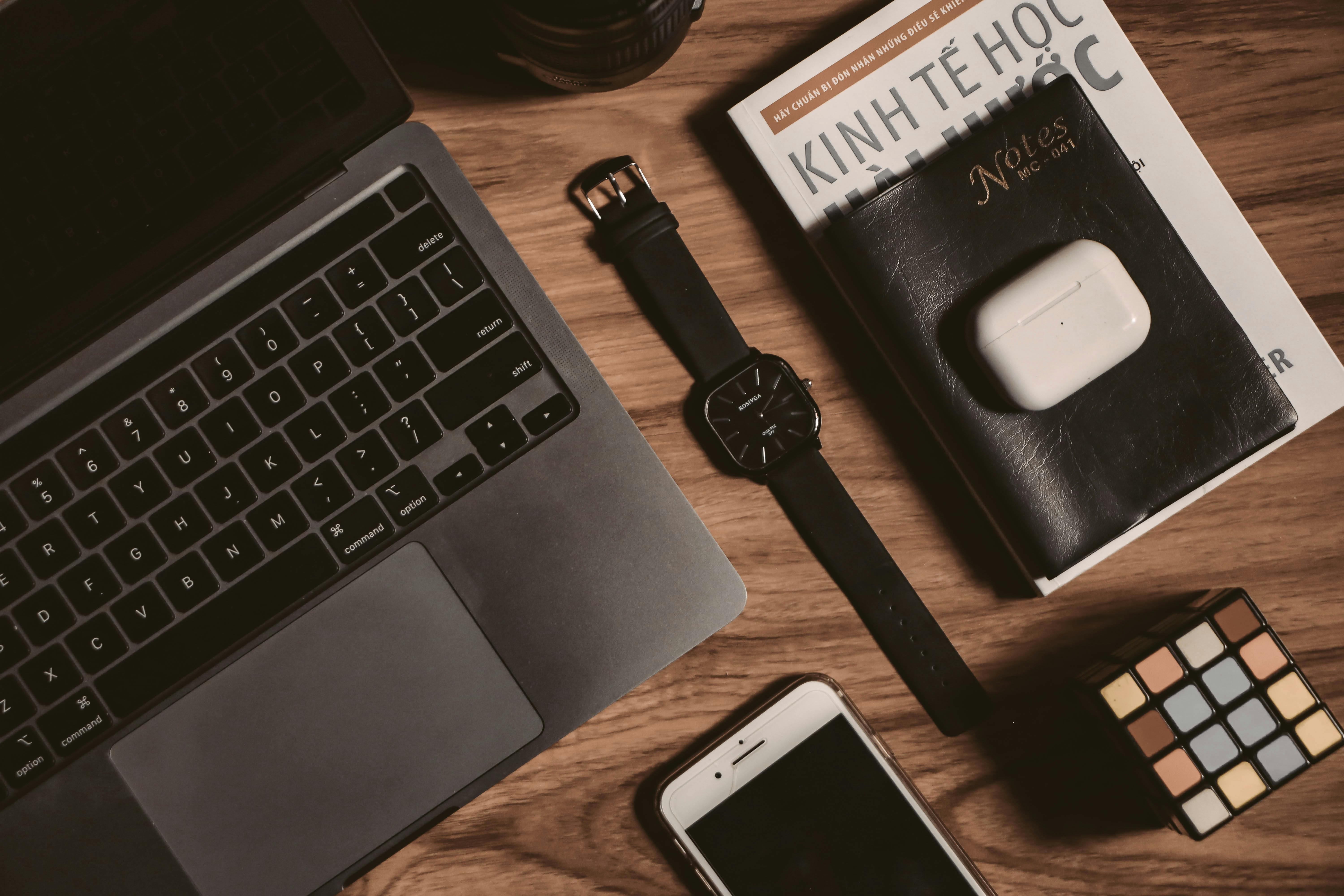
I wore a tracker continuously for four years and looked at the data most days. I now wear it and look at two things, and the reduction has been an improvement.
This is about what the measurements are worth, not about health, and anybody making decisions about their own should be talking to somebody qualified.
What is measured well
Step count, which is a genuinely accurate measure of walking and which is the most useful single number these devices produce.
Heart rate at rest and during steady activity, which optical sensors handle reasonably.
Elapsed time and distance for outdoor activity with satellite positioning.
These are all direct physical measurements of things the device can actually observe, and the accuracy is adequate for the purpose.
What is estimated rather than measured
The larger category and where I had been over-reading.
Calorie expenditure, which is modelled from heart rate, movement and personal characteristics. Validation studies comparing these estimates against laboratory measurement have generally found substantial errors, frequently in the tens of percent, varying by individual and activity.
Sleep stages, which are inferred from movement and heart rate variability rather than measured. Compared against clinical sleep study methods, consumer devices detect total sleep time reasonably and stage classification considerably less reliably.
Stress scores, recovery scores and readiness scores, which are proprietary composites with undisclosed methods.
Blood oxygen, which varies in accuracy with fit, skin tone, movement and temperature, and which is not a clinical measurement.
The trend versus the number
The distinction that made the data useful again.
An estimate with a large absolute error can still be useful if the error is consistent, because the change over time is informative even when the level is wrong.
So a sleep score of sixty-two means very little. A sleep score that has been declining for three weeks means something, because whatever the device is measuring has changed.
Which is how I read everything now. The number is not a fact about my body; it is a reading from an instrument, useful in comparison with its own previous readings.
What I actually still use
Two things.
Resting heart rate, tracked over weeks. It responds to training, illness, alcohol and poor sleep, it is measured rather than estimated, and a sustained change is a genuine signal. It has told me I was getting ill twice before I noticed.
Step count, as a rough measure of whether I have been sedentary. Not against a target, just as a check.
Everything else I have turned off or stopped opening.
The behavioural effect, which cuts both ways
Worth being honest about.
The tracking genuinely increased my activity in the first year. Feedback on a behaviour changes the behaviour, and for walking specifically that effect was large and welcome.
It also produced an unhelpful relationship with the numbers. Days scored badly felt like failures. A poor sleep score affected how tired I felt, which is a documented effect — people told they slept badly report feeling worse regardless of what they actually did.
That last one is the strongest argument I know for reading less of this data. A device that makes you anxious about your sleep is affecting your sleep.
Notifications and the always-on question
A practical change that helped more than anything analytical.
I turned off all notifications from the device and stopped receiving daily summaries.
I now look at the data when I choose to, roughly weekly, rather than being told about it.
That single change removed most of the unhelpful part while retaining the useful part, and it took me three years to think of.
What I would tell somebody buying one
The accuracy differences between devices on the things that are measured are smaller than the marketing suggests.
The differences on the things that are estimated are unknowable, because the methods are undisclosed and independent validation is limited.
Battery life and comfort matter more than sensor count, because a device you take off is not measuring anything.
And decide in advance which two or three numbers you will actually act on, because the rest is a stream of readings that will occupy attention without informing anything.
The medical-grade distinction
A boundary worth being clear about.
Some features on some devices have been through regulatory clearance for a specific purpose in a specific population, such as detecting an irregular rhythm.
Those are meaningfully different from the general wellness features on the same device, which carry no such clearance and are not intended for diagnosis.
The two sit side by side in the same interface, which makes the distinction easy to miss.
A cleared feature flagging something is a reason to see a doctor. A wellness score being low is not, and treating them equivalently in either direction is a mistake.
Exporting your own data
Worth doing early rather than when you switch devices.
Most platforms offer a full export, and the formats are usually usable in a spreadsheet.
Having the raw daily figures means you can look at long trends yourself rather than through whatever visualisation the application offers, which is generally optimised for engagement rather than for insight.
It also means the four years of data survives changing brands, which otherwise it does not, and starting again from zero is the main reason people stay with a platform they have stopped liking.