


Foldable Phones Worth It in 2026?. They’re no longer bulky experiments that scream “fragile.” Many models now feel surprisingly slim, handle daily abuse better, and offer real everyday perks that slab phones can’t match. Yet the big question remains: are they finally worth the hefty price tag?
If you’ve been eyeing one but holding back because of past horror stories about creases, cracked hinges, or terrible battery life, you’re not alone. Let’s cut through the hype and see what’s changed—and whether it’s time for you to make the jump.
What’s Changed in Foldable Phones This Year?
Remember the early foldables? Thick like a wallet, visible creases that collected dust, and screens that felt delicate. Foldable Phones Worth It in 2026?, manufacturers have listened.
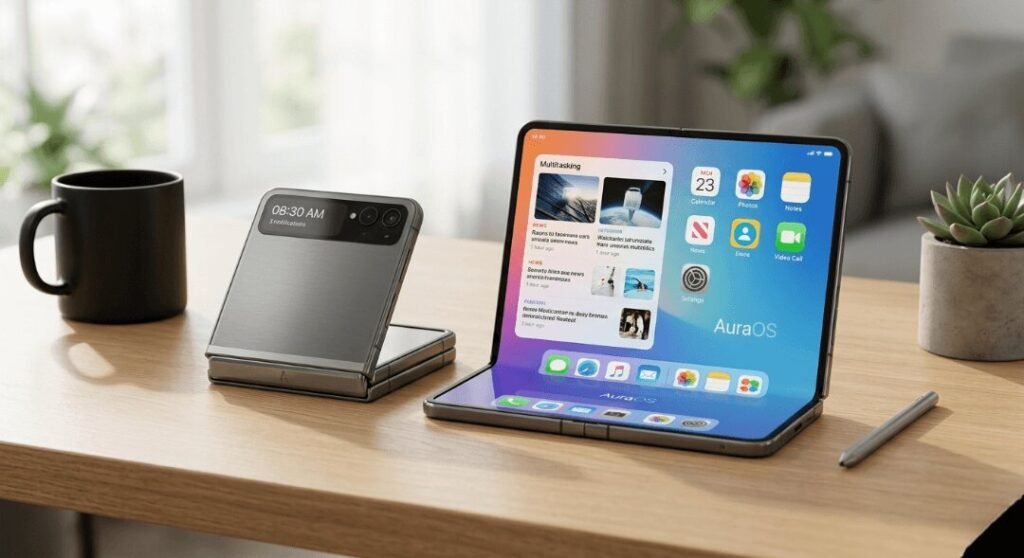
Book-style foldables (like the Samsung Galaxy Z Fold 7 and Google Pixel 10 Pro Fold) now unfold into a near-tablet experience while folding down to something pocket-friendly. Many are noticeably thinner and lighter—some under 10mm when closed.
Flip-style models (Galaxy Z Flip 7, Motorola Razr Ultra) snap shut into a compact square that slips easily into small pockets or bags. The outer cover screens have grown useful, letting you check notifications, reply to messages, or even snap photos without unfolding.
Here’s the surprising part: the dreaded crease has become far less noticeable. Advances in ultra-thin glass and hinge design mean the fold line is subtle under normal use. Some Chinese models like Oppo’s are pushing toward almost flat screens.
Durability has jumped too. The Pixel 10 Pro Fold brings full IP68 dust and water resistance—a first for foldables—plus a gearless hinge claimed to last twice as long. Samsung rates its latest hinges for 200,000+ folds, and real-world tests show they hold up well for years of normal use (50-100 folds daily).
Battery life, once a weak spot, has improved with better efficiency and larger cells in some models. Software has matured too, with smoother multitasking, better app support for the folded/unfolded states, and useful AI features.
Why Foldables Matter Right Now
We live in a world of constant switching—between chatting, working, streaming, and scrolling. A regular phone forces compromises. A foldable gives you two devices in one.
Picture this: You’re on a long train ride. Folded, it’s a normal phone for quick tasks. Unfolded, it becomes a mini tablet perfect for reading articles side-by-side with notes, watching videos in landscape without black bars, or even using it as a makeshift laptop with a keyboard.
For parents, the big screen makes video calls more engaging for kids. For students or professionals, split-screen multitasking feels natural—no more constant app switching.
Did you know? Market forecasts show Foldable Phones Worth It in 2026?6, partly thanks to more competition and improving tech. Apple’s rumored entry later could push the whole category further.
The shift feels timely because everyday pain points are being solved without sacrificing too much on core phone features like performance or cameras.
Real-World Scenarios: Who Benefits Most?
Let’s get practical with stories from typical users.
Take Rahul, a content creator in Mumbai. He used to carry a phone plus a small tablet for editing. Now, his book-style foldable handles both. He opens it for quick cuts on the go and folds it for calls or navigation. The bigger canvas makes reviewing footage easier on his eyes.
Or Priya, a college student who commutes daily. Her flip-style foldable fits neatly in her jeans pocket without bulging. The cover screen lets her reply to WhatsApp groups or check cab status without opening the full phone—saving battery and keeping things discreet in crowded local trains.
For multitaskers juggling work chats, docs, and research, the unfolded screen changes the game. You can have email on one half and a browser on the other, almost like a small laptop.
But not everyone needs this. If you mainly use your phone for calls, social media, and occasional photos, a solid mid-range or flagship slab might still feel more practical—and far cheaper.
Rhetorical question: When was the last time you wished your phone screen was just a bit bigger for comfortable reading or video?
Pros of Buying a Foldable Phone in 2026
- Versatility — One device replaces phone + tablet for many people.
- Improved durability — Higher IP ratings (up to IP68 on some), tougher hinges, and better screen protection.
- Better daily experience — Slimmer designs, less obvious creases, usable cover screens on flips, and strong multitasking software.
- Future-proofing — Many come with long software support (Samsung offers seven years on recent models). Performance is flagship-level with the latest chips.
- Fun factor — The novelty of folding never quite wears off, and it turns heads in a good way.
Models like the Galaxy Z Fold 7 stand out for productivity with excellent software polish. The Pixel 10 Pro Fold shines in durability and clean Android experience with great cameras. Flip fans love the Motorola Razr Ultra for its standout cover screen and battery.
Cons and Honest Drawbacks
No tech is perfect, and foldables still carry trade-offs.
Price remains the biggest hurdle. Expect to pay premium flagship money—often ₹1,20,000 or more in India—for the best models. Repairs can be costlier if something goes wrong with the hinge or flexible screen.
Cameras are good but rarely match the absolute best slab phones in zoom or low-light consistency. Battery life varies; some last a full day comfortably, others need careful management during heavy use.
Weight and thickness when folded can still feel different from ultra-slim slabs. Dust resistance isn’t perfect on all models (hinges can collect particles over time), so a good case helps.
And let’s be real: If you drop it badly, repair costs hurt more than with a regular phone.
Here’s a curiosity gap: Many early adopters say they can’t go back to a slab after living with the bigger screen. But others miss the simple, reliable feel of traditional designs.
Top Foldable Phones to Consider in 2026
- Samsung Galaxy Z Fold 7 — Best all-rounder for productivity and ecosystem integration. Thin, feature-packed, long updates.
- Google Pixel 10 Pro Fold — Tops for durability (IP68), cameras, and pure Android with smart AI features.
- Samsung Galaxy Z Flip 7 — Great compact flip with improved cover screen and balanced performance.
- Motorola Razr Ultra (2025/2026 models) — Fun design, excellent cover screen utility, strong battery in some variants.
- Other contenders — Honor Magic V series for slimness, OnePlus Open for multitasking flair (check availability in your region).
Prices fluctuate with offers, trade-ins, and bank discounts—common in India during sales. Always compare current deals.
What to Expect in the Next 3–6 Months
The second half of 2026 could bring more refinements. Expect even slimmer profiles, further crease reduction, and possibly better pricing as competition heats up.
Rumors of new form factors—like wider folds or tri-folds—might appear, but mainstream improvements will focus on battery, cameras, and software polish.
Apple’s potential foldable entry (rumored for later) could normalize the category and drive prices down across the board. If you can wait, mid-2026 sales might offer better value on current flagships.
For now, Foldable Phones Worth It in 2026 already feel mature enough for daily driving if the form factor excites you.
Actionable Tips Before You Buy
- Test in store — Hold both folded and unfolded versions. Check how the hinge feels and if the crease bothers you in bright light.
- Consider your usage — Heavy multitasker or media consumer? Go book-style. Want pocketability and fun? Choose flip.
- Budget realistically — Factor in a sturdy case, screen protector, and extended warranty or device protection plan.
- Trade-in smartly — Many brands offer good exchange values on old phones.
- Software matters — Pick brands with long update promises for peace of mind.
Ask yourself: Will the bigger screen actually change how I use my phone daily, or is it just cool for a week?
The Bottom Line: Are Foldables Worth It Now?
In 2026, foldable phones have crossed from “gimmick” to “practical tool” for the right person. They’re not perfect, and the premium price is real. But for those who value versatility, screen real estate, and a fresh way to interact with their device, the compromises have shrunk dramatically.
If your current phone feels limiting and you’re ready to invest, this is one of the best times yet to try one. Start with a flip if you want something less disruptive, or dive into a book-style if you crave that tablet-like freedom.
The technology has matured enough that the question isn’t “Will it break?” as much as “Will it improve my daily life?”
What do you think—ready to fold, or sticking with the familiar slab for now? Drop your thoughts in the comments. Your experience could help someone else decide.
(Word count: approx. 1,780)
FAQs
1. Are foldable phones durable enough for daily use in 2026? Yes, significantly more than before. Many now have improved IP ratings, tougher hinges rated for hundreds of thousands of folds, and better screen protection. Models like the Pixel 10 Pro Fold even offer full dust and water resistance. A good case is still recommended for extra safety.
2. Which is better: book-style or flip-style foldable phones? Book-style (like Galaxy Z Fold) suits productivity, multitasking, and media consumption with a large unfolded screen. Flip-style (like Galaxy Z Flip or Razr) excels in compactness and quick tasks via the cover screen. Choose based on whether you want tablet-like space or pocket-friendly size.
3. Do foldable phones have good battery life? It has improved a lot. Some models now match or come close to regular flagships, especially with efficient chips and larger batteries in newer designs. Heavy users may still need to top up by evening, but real-world performance is practical for most.
4. Are foldable phones worth the high price? It depends on your needs. If you’ll use the extra screen space daily and value the unique form factor, yes for many in 2026. If you mainly do basic tasks, a traditional flagship offers better value. Look for sales and trade-ins to reduce the cost.
5. Will foldable phones get cheaper in the coming months? Likely yes, as competition increases and new models launch. Sales events, trade-in offers, and potential Apple influence could bring better deals. Current Foldable Phones Worth It in 2026? already represent strong value compared to early generations.