
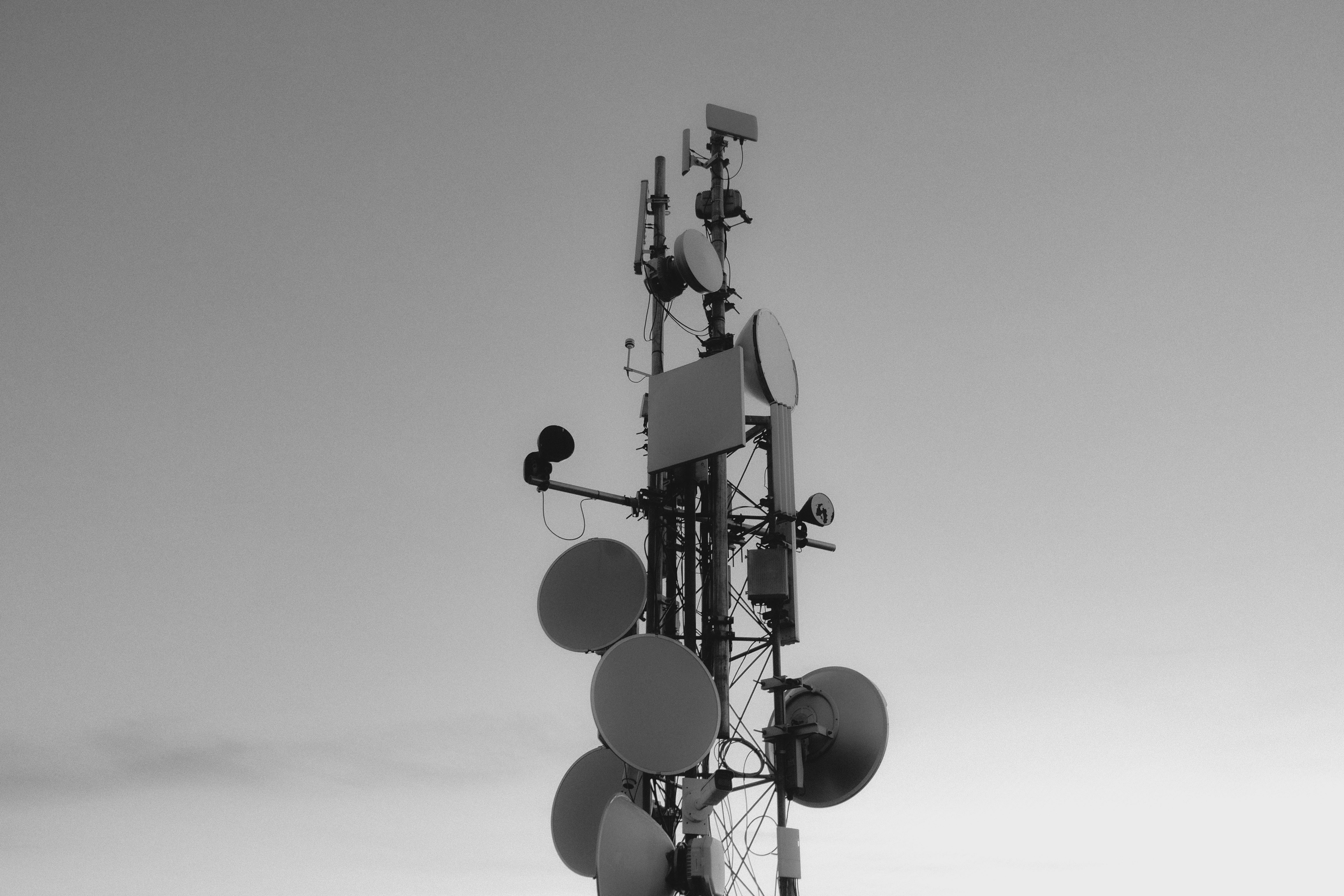
In 2026, the battle for premium connectivity intensifies. Is 5G-Advanced (5G-A) the definitive upgrade for lightning-fast speeds, ultra-low latency, and next-gen smart devices? Or will revolutionary satellite-to-phone services finally deliver ubiquitous coverage, even in the most remote corners of the globe? This in-depth guide helps you compare the best 5G plans, satellite-enabled smartphones, and fixed wireless access options to find your perfect connectivity solution and unlock exclusive deals.
Introduction to the Topic
Welcome to 2026, a year where connectivity is no longer just a utility, but the very fabric of our digital lives. Gone are the days of basic 4G; even the foundational 5G we knew a few years ago has evolved dramatically. Today, we stand at the precipice of a new era, dominated by two titans vying for your attention, your wallet, and your data streams: 5G-Advanced (5G-A) and the burgeoning world of Direct Satellite-to-Phone communication. This isn't just about faster downloads; it's about transforming how we work, play, connect, and even survive. From immersive XR experiences and hyper-responsive AI applications to critical emergency services in the wilderness, the choice between these cutting-edge technologies will define your digital future. But which one is truly right for you? Which offers the best value, the most reliable performance, and the features you absolutely need? Let’s dive deep into this ultimate connectivity showdown to help you make the smartest purchasing decisions.
Backgrounds & Facts
The journey to our current connectivity landscape has been swift and transformative. 5G-Advanced, standardized under 3GPP Release 18, is the natural evolution of 5G, pushing the boundaries of what cellular networks can achieve. By 2026, 5G-A is not just theoretical; it's being actively rolled out by leading carriers worldwide, promising significant enhancements over initial 5G deployments. Key advancements include further reduced latency (critical for cloud gaming, real-time AI, and autonomous systems), massively increased capacity to support billions of IoT devices, enhanced energy efficiency for longer device battery life, and improved support for Extended Reality (XR) applications. This means your new 5G-A smartphone isn't just faster; it's smarter, more efficient, and capable of handling data-intensive tasks with unprecedented ease.
Simultaneously, a revolutionary shift is occurring above our heads: Direct Satellite-to-Phone connectivity. While satellite phones have existed for decades, they were bulky, expensive, and niche. Now, constellations of Low Earth Orbit (LEO) satellites, championed by innovators like Starlink, AST SpaceMobile, Lynk Global, and partnerships between major telcos like T-Mobile with Starlink, and Apple with Globalstar, are making direct cellular communication from space a reality. In 2026, this technology is moving beyond mere emergency SMS. We're seeing initial deployments offering voice calls and even basic data services directly to unmodified or minimally modified smartphones. This promises to eradicate dead zones, offering a lifeline in remote areas, during natural disasters, or for adventurers far from traditional cellular towers. The core appeal is ubiquitous coverage, a stark contrast to cellular's inherent limitations.
Understanding the fundamental differences is crucial for any potential buyer. 5G-A excels in speed, capacity, and ultra-low latency within densely populated areas, making it ideal for high-bandwidth applications and smart city infrastructure. Satellite-to-phone, while currently slower and with higher latency, offers unparalleled reach, making it invaluable where terrestrial networks simply don't exist. The choice often comes down to where and how you connect most frequently, and what your absolute connectivity priorities are.
Expert Opinion / Analysis
Leading industry analysts are unanimous: 2026 marks a pivotal year for global connectivity. Dr. Anya Sharma, Chief Telecom Strategist at Nexus Innovations, states, "5G-Advanced isn't just an incremental upgrade; it's the intelligence layer that transforms 5G into a truly adaptive, AI-driven network. We project that by late 2026, over 40% of new smartphone sales in developed markets will be 5G-A capable, driving massive adoption of advanced services like cloud XR and hyper-efficient IoT ecosystems. Carriers are investing billions to secure their market share, offering competitive 5G-A deals and unlimited data plans tailored for these new capabilities." This highlights the fierce competition among cellular providers to offer the best 5G-A plans and attract high-value customers.
However, the satellite revolution cannot be underestimated. "While 5G-A optimizes the existing terrestrial grid, direct satellite-to-phone connectivity is redrawing the coverage map entirely," explains Mark Jensen, CEO of AeroConnect Analytics. "We foresee satellite services initially complementing 5G-A, particularly for emergency services and rural broadband, but eventually becoming a compelling alternative for global travelers and those who demand truly ubiquitous access. The cost of integrating satellite modems into standard smartphones is rapidly decreasing, and we expect more manufacturers to include this as a premium feature in their 2027 flagships. Look for bundled plans that combine the best of both worlds, offering seamless transitions between terrestrial and satellite networks for ultimate reliability." This suggests a future of convergence, where smart devices automatically switch to the optimal network, but also opens up new opportunities for standalone satellite subscription services.
The consensus is clear: 5G-A will dominate urban and suburban high-performance connectivity, driving the next wave of digital services and smart infrastructure. Satellite-to-phone will fill the critical gaps, providing essential connectivity where 5G-A cannot reach, and becoming a premium feature for safety and global mobility. The real winner for consumers might be the ability to leverage both, seamlessly.
💰 Best Options in Comparison (VERY IMPORTANT)
Choosing your connectivity path in 2026 requires careful consideration of your needs, location, and budget. Here’s a breakdown of the best options across 5G-Advanced and Satellite-to-Phone categories, designed to help you compare and secure the best deals.
5G-Advanced Mobile Plans & Devices
- Premium 5G-A Unlimited Plans: Major carriers like Verizon 5G Ultra Wideband Plus, AT&T 5G+ Premium, and T-Mobile Magenta MAX 5G-A are aggressively marketing their 5G-A capabilities. These plans offer priority data, ultra-low latency for competitive online gaming, enhanced streaming quality, and often include perks like free cloud storage, streaming service subscriptions, and international roaming benefits. Expect monthly costs between $80-$120 for single lines, with family plans offering significant savings. Look for promotional offers that bundle a new 5G-A phone with a plan for maximum value.
- Top 5G-A Smartphones: The latest flagships are designed to fully leverage 5G-A. The iPhone 18 Pro Max (with its A19 Bionic chip and advanced 5G-A modem) and the Samsung Galaxy S27 Ultra (featuring the Snapdragon 8 Gen 5 processor) are leading the pack. These devices boast superior antenna arrays, advanced AI processing, and optimized battery life for demanding 5G-A applications. Other strong contenders include the Google Pixel 11 Pro and devices from OnePlus and Xiaomi, offering compelling performance at various price points. When upgrading, ensure your new device explicitly supports 5G-A (3GPP Release 18).
- 5G-Advanced Fixed Wireless Access (FWA): For home or small business internet, 5G-A FWA is a compelling alternative to fiber or cable. Providers like T-Mobile Home Internet 5G-A and Verizon 5G Home Plus offer speeds ranging from 300 Mbps to over 1 Gbps, often with no data caps and simple self-installation. Plans typically cost $50-$80 per month, making them highly competitive. Check provider coverage maps for availability in your area and inquire about introductory rates and equipment lease options.
Satellite-to-Phone Services & Devices
- Emergency Satellite SOS: Services like Apple's Emergency SOS via Satellite (powered by Globalstar) are now standard on most premium smartphones. This provides critical text messaging capabilities for emergencies when outside cellular range. Many providers offer this as a free or low-cost add-on to existing cellular plans.
- Direct-to-Cell Plans (Voice & Data): Emerging services from partners like T-Mobile/Starlink Direct-to-Cell and AST SpaceMobile's commercial launch partners are beginning to offer basic voice and data directly to standard smartphones in 2026. While speeds are initially modest (think 1-50 Mbps), the coverage is near-global. These are often offered as premium add-ons to existing cellular plans, or as standalone subscriptions for global travelers and remote workers. Pricing is still evolving but expect $10-$50 per month for basic access, with higher tiers for more data.
- Dedicated Satellite Communicators: For extreme adventurers or those working in truly off-grid environments, devices like the Garmin inReach Messenger or new ruggedized satellite-enabled smartphones offer robust two-way messaging, GPS tracking, and SOS features, often with more reliable performance than nascent direct-to-cell services. Subscription costs vary widely based on message volume and features, typically $15-$60 monthly.
To help you compare, here's a detailed table outlining the key differences and strengths:
| Feature | 5G-Advanced Mobile (Premium) | Satellite-to-Phone (Direct) | 5G-Advanced FWA (Home) |
|---|---|---|---|
| Typical Speed | 1-10 Gbps (peak, mmWave/C-band) | 5-50 Mbps (initially, low-band) | 300 Mbps - 1 Gbps (typical) |
| Latency | Ultra-low (<10ms) | High (500ms - 1s+) | Low (20-50ms) |
| Coverage | Dense Urban/Suburban Areas | Near Global (remote areas, oceans) | Urban/Suburban (select addresses) |
| Cost (Monthly) | $70 - $120+ (for premium mobile) | $5 - $50 (add-on or standalone) | $50 - $90 (for home internet) |
| Best For | Cloud Gaming, XR, IoT, Business, Smart Cities | Emergency Services, Remote Travel, Global Mobility | Home Internet, Small Business Broadband |
| Devices Required | Latest Flagship 5G-A Smartphones | Satellite-enabled/Modified Smartphones | Dedicated 5G-A FWA Router |
| Key Benefit | Unmatched Speed, Capacity, Low Latency | Ubiquitous Coverage, Lifeline in Dead Zones | Easy, High-Speed Home Internet Alternative |
Outlook & Trends
Looking ahead, the connectivity landscape of 2026 is merely a stepping stone. The trend towards convergence is undeniable. We anticipate a future where your smartphone seamlessly switches between 5G-Advanced and satellite networks based on availability, signal strength, and even application requirements. This intelligent network management, often powered by on-device and network-side AI, will ensure an "always-on" experience, regardless of your location. Expect more devices to integrate multi-mode modems capable of handling both terrestrial 5G-A and various satellite frequencies.
Furthermore, 5G-A will continue to be the backbone for the Internet of Things (IoT) revolution, enabling everything from smart cities and autonomous vehicles to advanced industrial automation. The ultra-reliable low-latency communication (URLLC) capabilities of 5G-A are critical for these applications, driving economic growth and efficiency. Satellite connectivity, meanwhile, will expand its data capabilities, potentially offering competitive broadband in underserved regions, further bridging the digital divide.
The race to 6G is also on the horizon, promising even more radical advancements like holographic communication and true ubiquitous AI integration. However, for the foreseeable future, 5G-Advanced and satellite-to-phone will remain the dual pillars of cutting-edge connectivity, continually evolving and integrating to serve our ever-increasing demands.
Conclusion
In the dynamic world of 2026 connectivity, the choice between 5G-Advanced and direct satellite-to-phone isn't about one being inherently superior; it's about identifying the solution that best aligns with your lifestyle and needs. If you reside in an urban or suburban area and demand the absolute fastest speeds, lowest latency for gaming and XR, and robust support for your smart home and IoT devices, then upgrading to a 5G-Advanced plan and device is your clear path forward. Explore the latest 5G-A phone deals and fixed wireless access options from top providers today.
However, if global mobility, off-grid safety, or reliable communication in remote areas is paramount, then investing in a satellite-enabled smartphone or a dedicated satellite service subscription is a non-negotiable. Many premium smartphones now offer basic satellite SOS, and full voice/data services are becoming increasingly accessible. Why not consider a plan that bundles both for the ultimate peace of mind?
Ultimately, the smartest move for many will be to embrace a hybrid approach. Leverage the blazing speeds and rich features of 5G-A where available, and rely on the lifesaver of satellite connectivity when you venture beyond the grid. The future of connectivity is here, and it's more diverse and powerful than ever. Don't get left behind – upgrade your connection and device today to unlock the full potential of 2026's digital world!