
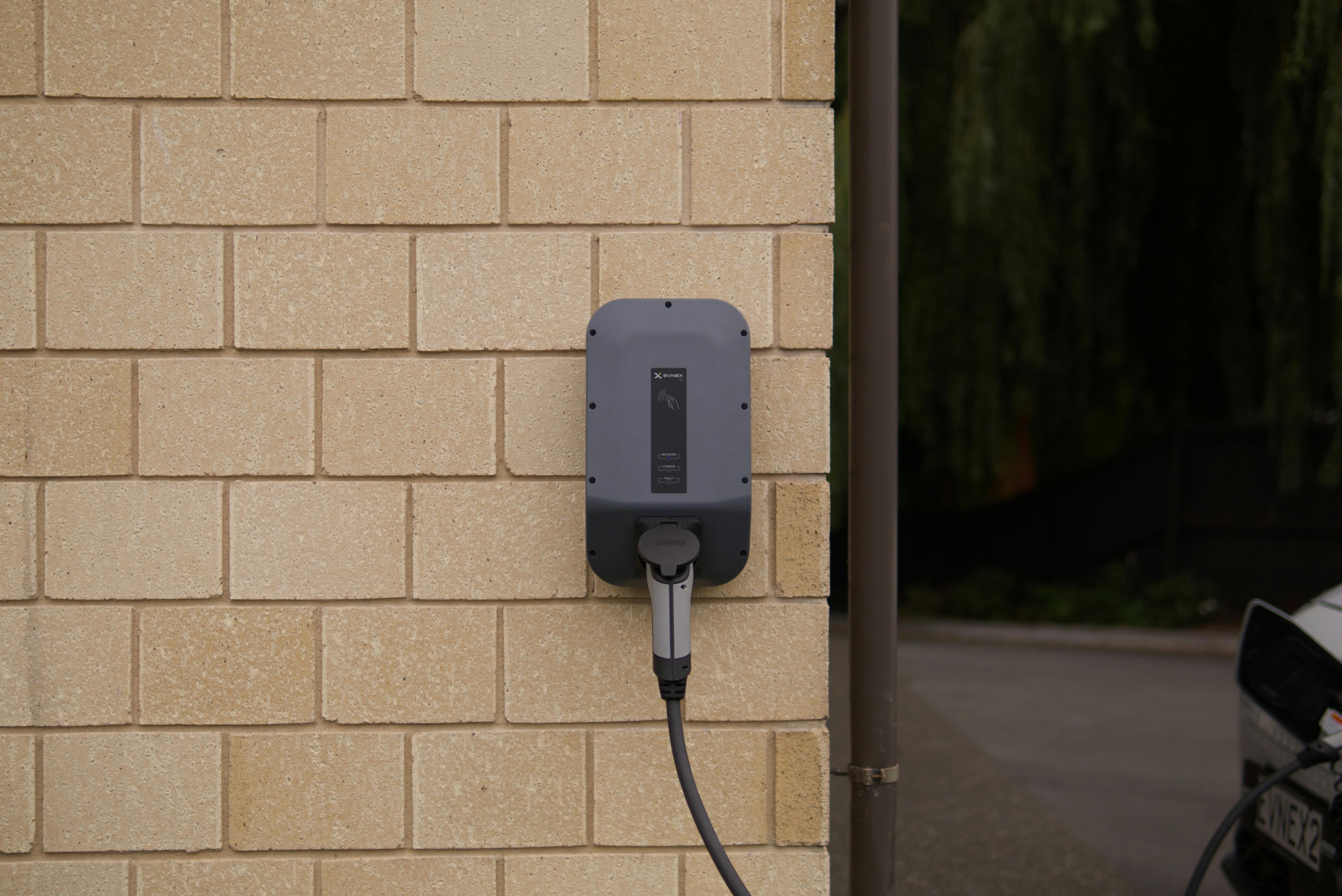
In 2026, EV charging has transformed from a mere necessity into a powerful feature. This guide dives deep into the world of ultra-fast charging networks, revolutionary bidirectional (V2G/V2H) technology, and seamless smart home energy management. Discover the best EV charging solutions, compare top-tier home chargers, and learn how to optimize your electric vehicle investment for maximum efficiency and savings. Future-proof your EV experience with insights into the latest battery innovations and public charging infrastructure advancements.
Introduction to the Topic
Welcome to 2026, where the electric vehicle revolution is in full swing, and charging is no longer a bottleneck but a cornerstone of sustainable living. Gone are the days of range anxiety and slow top-ups. Today, EV charging is faster, smarter, and more integrated than ever before. We’re witnessing a seismic shift driven by advancements in battery technology, the proliferation of ultra-fast charging networks, and the groundbreaking emergence of bidirectional power capabilities that turn your EV into a mobile energy hub. This article will navigate the complex yet exciting landscape of 2026 EV charging, helping you understand the latest innovations, compare your best options, and make informed decisions that maximize your electric vehicle's potential and your wallet's savings. Get ready to plug into the future!
Backgrounds & Facts
The journey of EV charging has been nothing short of remarkable. From rudimentary Level 1 outlets to sophisticated Level 3 DC fast chargers, the evolution has accelerated exponentially. By 2026, the 800-volt architecture, once exclusive to premium models, is now standard across many mid-range EVs, enabling charging speeds that were unimaginable just a few years ago. Vehicles boasting peak charge rates of 350 kW to 400 kW are common, allowing a 10-80% top-up in under 15 minutes for compatible models. This speed is largely attributed to advancements in battery thermal management and the widespread adoption of next-generation lithium-ion chemistries, with early commercial deployments of solid-state batteries beginning to surface in high-performance and long-range vehicles, promising even faster charging and greater energy density.
Public charging infrastructure has also seen massive expansion and standardization. While CCS (Combined Charging System) remains prevalent in Europe and North America, the North American Charging Standard (NACS) has become a dominant force, with many non-Tesla manufacturers integrating NACS ports into their new models or offering adapters. This convergence simplifies the user experience, reducing the need for multiple apps and connectors. Networks like Electrify America, Ionity, and Shell Recharge have significantly bolstered their ultra-fast charging stations, often powered by renewable energy sources, addressing critical gaps in intercity travel corridors.
Perhaps the most transformative development is the maturation of Vehicle-to-Grid (V2G) and Vehicle-to-Home (V2H) technologies. V2G allows your EV to send stored energy back to the grid during peak demand, earning you credits or direct payments from utility companies. V2H, a more common application for homeowners, enables your EV to power your house during outages or draw power during off-peak hours, significantly reducing electricity bills. Dedicated bidirectional chargers and smart home energy management systems are now readily available, making your EV not just transportation, but a crucial component of your household's energy independence and resilience.
Expert Opinion / Analysis
“By 2026, we’ve moved beyond simply charging an EV; we’re now talking about dynamic energy management,” states Dr. Anya Sharma, lead energy analyst at Future Mobility Insights. “The economic incentives for V2G and V2H are becoming too significant to ignore. Homeowners with solar panels and a V2H-compatible EV can virtually eliminate their electricity bills, and in some cases, even become net energy producers. Utilities are embracing this as a critical tool for grid stability, offering attractive tariffs and incentives.”
Industry leaders concur. “The shift to 800V platforms and advanced thermal management has fundamentally changed the charging paradigm,” explains Hiroshi Tanaka, head of EV development at a major Asian automaker. “Our latest models are designed not just for rapid charging, but for optimized battery health over thousands of cycles, thanks to sophisticated AI-driven charging algorithms. The focus is no longer just on speed, but on sustainable, long-term battery performance.”
The integration of NACS and the increasing reliability of public networks are also key themes. “Interoperability was a major hurdle just a few years ago,” notes Sarah Chen, CEO of ChargeForward Solutions. “Now, with fewer standards and more robust networks, the user experience is dramatically smoother. We’re seeing subscription models that offer seamless access across multiple networks, often bundled with home charging solutions, providing a truly holistic approach to EV energy.” The consensus is clear: the future of EV charging is intelligent, integrated, and incredibly efficient, empowering consumers with unprecedented control over their energy consumption and costs.
💰 Best Options in Comparison (VERY IMPORTANT)
Choosing the right EV charging solutions in 2026 means evaluating your specific needs, from daily commutes to long-distance travel, and critically, your home energy setup. Here are some of the leading options across home charging hardware and public network access:
Home Bidirectional Chargers (V2G/V2H)
- Wallbox Quasar 2 (V2G/V2H): A market leader, offering up to 11.5 kW of bidirectional power. Seamlessly integrates with home energy management systems, allowing you to power your home during outages or sell energy back to the grid. Features a sleek design and user-friendly app control. Installation requires professional setup and compatible home electrical infrastructure. Price: $5,000 - $7,000 (excluding installation and specific grid integration hardware).
- Enphase IQ EV Charger with V2H Upgrade: Designed to integrate perfectly with Enphase solar and battery storage systems, offering a complete home energy ecosystem. Provides 10-12 kW V2H capabilities, ensuring energy resilience and smart energy arbitrage. Ideal for solar-powered homes looking for maximum self-sufficiency. Price: $4,500 - $6,500 for the charger and V2H module.
- ChargePoint Home Flex (V2G Ready): While the base model is a high-speed unidirectional charger, ChargePoint offers a V2G-ready upgrade module for future-proofing. It provides up to 12 kW charging and is compatible with most EVs. Its widespread network integration makes it a versatile choice for those who also use ChargePoint's public stations. Price: $800 - $1,200 for the charger, V2G module extra (est. $2,000 - $3,000).
Public Ultra-Fast Charging Network Subscriptions
- Electrify America Pass+ (Premium Tier): Offers discounted rates (typically 25-50% off standard rates) at their extensive network of 350 kW chargers. Ideal for frequent long-distance travelers in North America. Features a robust app for station finding and payment. Monthly Fee: $7 - $12.
- Ionity Passport (Europe): Provides significantly reduced per-kWh rates across Ionity's pan-European network, which features 350 kW chargers. Essential for European EV owners who travel internationally. Monthly Fee: €10 - €15.
- Tesla Supercharging Access (for all EVs): By 2026, most Supercharger stations are open to non-Tesla EVs via the Tesla app. While not a traditional subscription, frequent users can benefit from loyalty programs. Known for reliability and widespread coverage. Pay-per-use, with potential discounts for frequent users.
Comparison Table: Leading Home Bidirectional EV Chargers (2026)
| Feature | Wallbox Quasar 2 | Enphase IQ EV Charger (V2H) | ChargePoint Home Flex (V2G Ready) |
|---|---|---|---|
| Power Output (kW) | Up to 11.5 kW (Bidirectional) | Up to 12 kW (Bidirectional) | Up to 12 kW (Unidirectional, V2G via module) |
| V2G/V2H Support | Full V2G & V2H | Full V2H (Optimized for Enphase ecosystem) | V2G/V2H Ready (Requires upgrade module) |
| Approx. Price Range (Charger only) | $5,000 - $7,000 | $4,500 - $6,500 | $800 - $1,200 (base) + $2,000 - $3,000 (V2G module) |
| Key Integration | Universal Home EMS, Solar | Enphase Energy System (Solar, Battery) | ChargePoint Public Network, Smart Home |
| Ideal User | Early adopter, seeking energy independence | Solar home owner, Enphase ecosystem user | Budget-conscious, wanting V2G future-proofing |
When making your decision, consider not just the upfront cost, but also potential energy savings, utility incentives for V2G participation, and the long-term benefits of energy resilience. Professional installation is highly recommended for all V2G/V2H systems.
Outlook & Trends
The future of EV charging promises even more exciting advancements. By the end of the decade, we anticipate solid-state batteries to be more widely available, pushing charging speeds beyond 500 kW and offering ranges exceeding 700 miles on a single charge. Wireless charging, both static (at home or parking spots) and dynamic (charging while driving on equipped roads), will likely move beyond niche applications into more mainstream adoption, especially for urban fleets and public transport. AI and machine learning will play an even greater role in optimizing charging schedules, predicting grid demand, and extending battery longevity.
Furthermore, the integration of renewable energy sources directly into charging hubs will become standard, with solar canopies and localized battery storage systems powering many stations. We’ll also see the rise of ‘Energy-as-a-Service’ models, where EV owners pay a flat monthly fee for unlimited charging, both at home and on public networks. The ongoing global standardization efforts, particularly around NACS, will further streamline the charging experience, making it as effortless as refueling a traditional car.
Conclusion
In 2026, EV charging is no longer a compromise but a competitive advantage. With ultra-fast charging speeds, the transformative power of bidirectional energy flow, and intelligent home integration, owning an EV is more convenient, cost-effective, and environmentally friendly than ever before. Whether you’re looking to slash your energy bills with V2H, traverse continents with lightning-fast public charging, or simply future-proof your investment, the options are abundant and compelling. Take the time to explore these advanced solutions, compare the best hardware and network subscriptions, and consult with certified installers. Your next EV isn’t just a car; it’s a dynamic energy asset. Make the smart choice today and plug into a truly electrified future!