
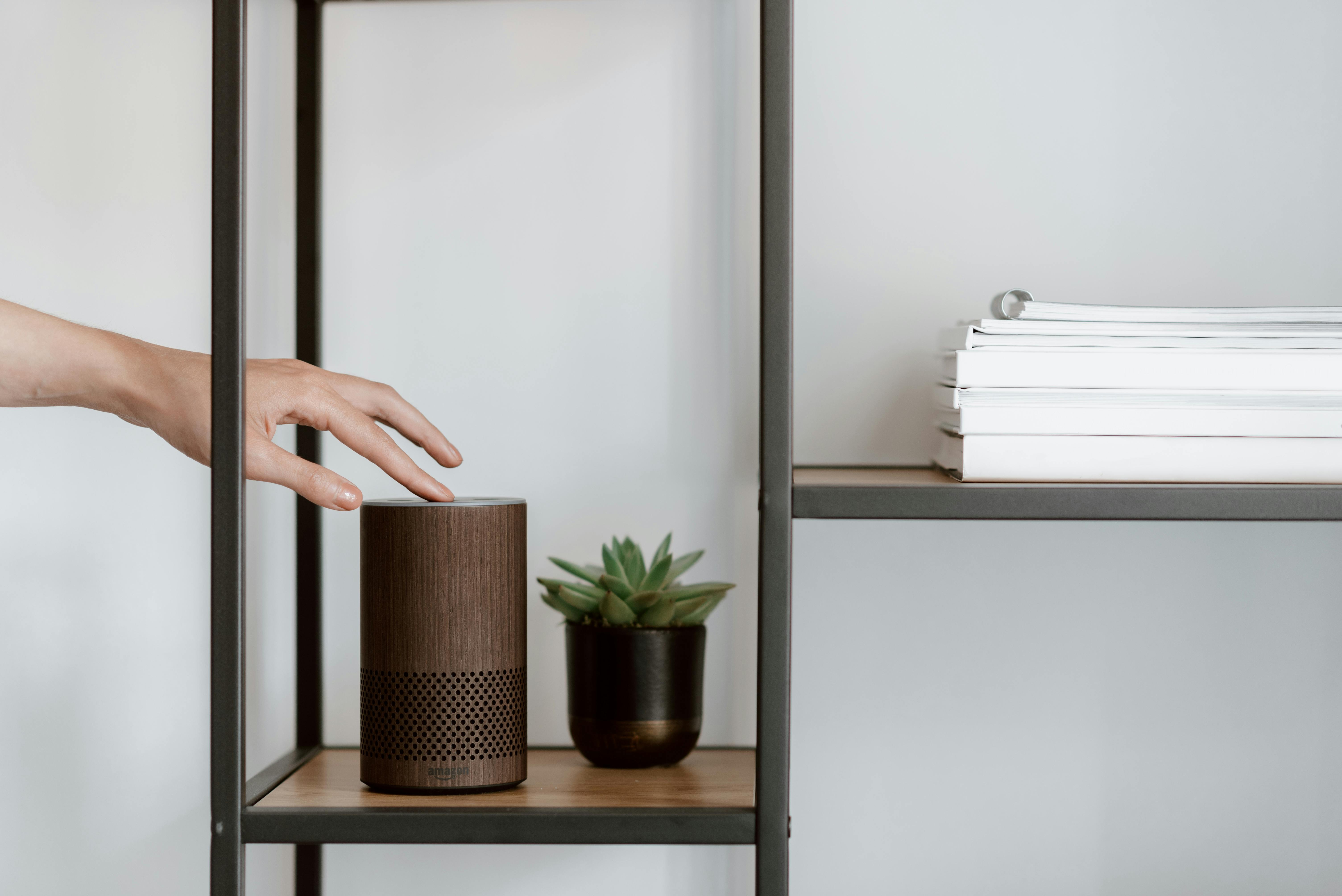
Welcome to 2026, where your smart home isn't just automated – it's intelligent. Artificial Intelligence (AI) has moved beyond simple voice commands, evolving into a predictive, personalized digital butler that anticipates your needs, optimizes energy, and enhances security. This deep dive explores the cutting-edge of AI-powered smart home hubs, comparing the leading platforms – Apple HomeKit, Google Home, Amazon Alexa, and Samsung SmartThings – to help you make the ultimate upgrade for intelligent living and maximize your home's potential.
Introduction to the Topic
The year is 2026, and the smart home landscape has undergone a profound transformation. What once felt like futuristic gadgetry is now an indispensable part of modern living, thanks to the exponential advancements in Artificial Intelligence. We've moved far beyond basic automation and reactive voice commands. Today's smart homes are proactive, intuitive ecosystems, capable of learning, adapting, and even anticipating your needs before you utter a single word. Imagine your home adjusting the thermostat based on your calendar, pre-heating the oven as you leave work, or detecting an unusual pattern in your pet's behavior – all orchestrated seamlessly by an intelligent AI hub. This isn't science fiction; it's the reality of smart living in 2026.
For phonestadium.com readers, understanding this shift is crucial. The market is flooded with devices, but the true power now lies in the central brain of your smart home: the AI-powered hub. Choosing the right hub means unlocking unparalleled convenience, energy efficiency, robust security, and a truly personalized living experience. This article will guide you through the latest innovations, delve into the core technologies, and most importantly, help you compare and select the best AI smart home system to elevate your lifestyle and secure your investment in the future of home technology.
Backgrounds & Facts
The evolution of smart home technology has been rapid, but 2026 marks a pivotal moment where AI takes center stage. Historically, smart homes relied on pre-programmed rules (if X, then Y) or direct user input. While effective, this approach lacked true intelligence. The breakthrough has come with the integration of advanced machine learning (ML) algorithms, neural networks, and increasingly sophisticated large language models (LLMs) directly into smart home hubs and cloud services.
- Predictive Automation: AI now analyzes vast datasets – your daily routines, weather patterns, energy consumption, even biometric data from wearables – to predict your preferences and automate actions. Your home learns when you wake up, when you leave, what temperature you prefer at specific times, and adjusts accordingly without explicit commands.
- Contextual Awareness: Modern AI hubs understand context. A command like "turn on the lights" might mean different things depending on the time of day, who is speaking, or what activity is currently happening in the room. AI processes these nuances to deliver highly relevant responses.
- Proactive Security & Wellness: Beyond simple motion detection, AI-powered cameras can now differentiate between family members, pets, and intruders, reducing false alarms. Wellness applications monitor air quality, sleep patterns, and even elderly residents' movements, alerting caregivers to potential issues before they become critical.
- Matter 2.0 & Interoperability: The widespread adoption and maturity of Matter 2.0 in 2026 have been a game-changer. This universal connectivity standard ensures that devices from different manufacturers can communicate seamlessly. This interoperability is vital, as it provides AI hubs with a richer, more comprehensive data stream from across your entire home, enabling even smarter, more holistic automation and insights. No longer are you locked into a single brand; your AI can orchestrate a symphony of diverse smart devices.
- Edge AI Processing: To address privacy concerns and improve responsiveness, more AI computations are now happening directly on the smart home hub (edge processing) rather than solely in the cloud. This means faster reactions and less reliance on constant internet connectivity for core functions.
These technological leaps have transformed smart homes from mere conveniences into truly intelligent living spaces that adapt to and enhance our lives.
Expert Opinion / Analysis
"The smart home market in 2026 isn't just about connecting devices; it's about intelligence and personalization at an unprecedented scale," states Dr. Evelyn Reed, a leading AI and IoT ethicist at the Institute for Future Technologies. "The shift from reactive automation to proactive, predictive intelligence is the most significant development we've seen. Your home is no longer waiting for your command; it's learning your rhythms, anticipating your needs, and acting on your behalf, often before you even realize you need something."
Dr. Reed emphasizes the dual nature of this evolution. "On one hand, the benefits are immense: unparalleled convenience, significant energy savings through optimized resource management, and enhanced security that truly protects. On the other, the increased data collection and sophisticated AI models bring heightened concerns about privacy and data security. Consumers need to be acutely aware of what data their chosen ecosystem collects, how it's used, and what control they retain over it. Companies that prioritize transparency and robust on-device processing will earn greater trust."
The integration of Matter 2.0 also receives high praise. "Matter 2.0 has democratized the smart home, breaking down proprietary walls and allowing AI hubs to truly shine," Dr. Reed continues. "When an AI can pull data from a Philips Hue light, a Google Nest thermostat, and a Samsung smart appliance simultaneously, its ability to create a truly holistic and intelligent environment is exponentially increased. This open standard fuels innovation and competition, ultimately benefiting the consumer by offering more choice and better integration."
However, the complexity of choosing the right AI hub remains a challenge. "It's no longer just about features; it's about the underlying AI philosophy and ecosystem," Dr. Reed advises. "Are you an Apple user deeply invested in their privacy-first approach? Do you value Google's cutting-edge AI and vast data processing capabilities? Or perhaps Amazon's ubiquitous device compatibility and affordability? Each ecosystem has its strengths, and the 'best' option is highly personal, depending on your existing tech, privacy comfort level, and specific needs for your intelligent home."
💰 Best Options in Comparison (VERY IMPORTANT)
Choosing the right AI-powered smart home hub in 2026 is a critical decision that will define your home's intelligence for years to come. Here's a breakdown of the leading contenders, optimized for purchasing intent and highlighting their unique strengths:
- Apple HomeKit with Siri Intelligence 2.0: The Privacy-First Powerhouse
For those deeply embedded in the Apple ecosystem and prioritizing privacy above all, HomeKit with the enhanced Siri Intelligence 2.0 is the undisputed champion. Leveraging on-device machine learning in hubs like the HomePod Pro (2026 model) and Apple TV 4K (Gen 4), Siri Intelligence 2.0 offers unparalleled personalization without sending excessive data to the cloud. It excels at complex, multi-device routines, adaptive lighting based on circadian rhythms, and advanced security features with facial recognition that stays local. Its seamless integration with Apple Health and CarPlay creates a truly cohesive digital life. With robust Matter 2.0 support, HomeKit can now control a wider array of devices, making it more flexible than ever while maintaining its stringent privacy standards. - Google Home AI (Powered by Gemini): The Predictive Genius
Google's strength lies in its AI prowess, and with the full integration of Gemini (Google's multimodal AI model) into Google Home, its smart home platform is a predictive marvel. Google Home AI excels at understanding natural language, anticipating needs based on calendar entries, search history, and location data, and offering proactive suggestions. Its Nest Hub Max (Gen 3) acts as a visual interface for complex routines, video calls, and integrated security. Gemini enables more nuanced conversations, personalized content delivery, and unparalleled contextual awareness. For users already invested in Google services (Calendar, Photos, YouTube), this ecosystem offers the deepest level of integration and the most sophisticated predictive automation, making it ideal for busy individuals who want their home to truly think ahead. Matter 2.0 support is robust, ensuring wide device compatibility. - Amazon Alexa Pro (with Advanced LLM & Subscription Tiers): The Ubiquitous Innovator
Alexa Pro, Amazon's premium AI offering (often available through an optional subscription for enhanced features), has evolved significantly with advanced LLM integration, making conversations more fluid, natural, and helpful. Its ubiquitous presence across countless devices and its vast third-party integrations remain unmatched. Alexa Pro focuses on ease of use, broad accessibility, and innovative features like emotional tone detection, personalized shopping lists, and advanced device troubleshooting. New Echo Show devices feature improved biometric authentication and deeper local processing for common tasks. While still relying heavily on cloud processing, Amazon has made strides in offering more privacy controls. For those seeking the widest device compatibility, a highly conversational AI, and a scalable system that can grow with their needs, Alexa Pro offers a compelling, feature-rich experience. - Samsung SmartThings AI (Bixby 3.0 & Matter 2.0 Hub): The Universal Orchestrator
Samsung's SmartThings has long been praised for its ability to unify diverse smart devices, and in 2026, its AI capabilities, powered by Bixby 3.0, have made it a formidable contender. SmartThings AI excels as a central hub for a truly heterogeneous smart home, especially for users with a mix of Samsung appliances, TVs, and third-party IoT gadgets. Bixby 3.0 offers improved voice control, personalized routines based on device usage patterns, and advanced energy monitoring across all connected appliances. Its strength lies in its ability to create complex, cross-brand automation scenarios, making it ideal for users who want maximum flexibility and control over a diverse ecosystem. With Matter 2.0 fully integrated, SmartThings is arguably the most adaptable hub for managing a complex smart home setup.
To help you decide, here's a detailed comparison table:
| Feature | Apple HomeKit (Siri Intelligence 2.0) | Google Home AI (Gemini) | Amazon Alexa Pro | Samsung SmartThings AI (Bixby 3.0) |
|---|---|---|---|---|
| Core AI Strength | Privacy-focused, on-device ML for personalized routines & security. | Industry-leading predictive AI, advanced natural language processing via Gemini. | Ubiquitous conversational AI, vast integrations, advanced LLM features (subscription). | Universal device orchestration, cross-brand automation, appliance integration. |
| Ecosystem Integration | Deep Apple ecosystem (iPhone, Watch, Health, CarPlay). | Deep Google ecosystem (Calendar, Search, Nest, Android). | Broadest third-party device support, extensive skills library. | Excellent for diverse brands, strong with Samsung appliances & TVs. |
| Privacy Features | Top-tier, primarily on-device processing, strict data policies. | Good, user controls for data, strong cloud-based processing. | Improving, user privacy settings available, cloud-heavy. | Good, user control, local processing for some routines. |
| Matter 2.0 Support | Fully integrated, excellent. | Fully integrated, excellent. | Fully integrated, excellent. | Fully integrated, excellent. |
| Best For | Apple users, privacy advocates, premium experience. | Google users, tech enthusiasts, those wanting truly predictive automation. | Wide device compatibility, budget-conscious, conversational AI. | Users with diverse devices, Samsung appliance owners, maximum flexibility. |
| Hub Examples (2026) | HomePod Pro, Apple TV 4K (Gen 4). | Nest Hub Max (Gen 3), Google Assistant-enabled speakers. | Echo Show 15 (Gen 2), Echo Dot (Gen 6). | SmartThings Hub (Gen 4), Samsung Smart TVs & Family Hub fridges. |
Outlook & Trends
Looking beyond 2026, the trajectory of AI in smart homes promises even more transformative changes. We can anticipate several key trends:
- Emotional & Contextual Intelligence: Future AI will move beyond just understanding commands to interpreting emotional cues from voice tone, facial expressions (via smart cameras), and even biometric data. Your home might dim the lights and play soothing music if it detects stress, or suggest a stimulating activity if it senses boredom.
- Hyper-Personalization & Digital Twins: The concept of a 'digital twin' of your home will become more prevalent, allowing AI to simulate environmental changes, energy usage, and security scenarios in a virtual space before implementing them physically. This will lead to hyper-personalized environments that are constantly optimized for your comfort, health, and preferences.
- Robotics & Physical Integration: Domestic robots, already emerging, will become more seamlessly integrated with the central AI hub. Robotic vacuums, security drones, and even companion robots will receive instructions and share data with the main home intelligence, performing tasks autonomously and intelligently.
- Proactive Health & Wellness Monitoring: Smart homes will become active participants in our health. Beyond air quality, AI will monitor sleep, vital signs (via radar-based sensors), medication adherence, and even subtle changes in gait or behavior, providing early warnings for health issues and supporting independent living for seniors.
- Energy Grid Optimization: AI will play a crucial role in optimizing home energy consumption not just for individual savings, but for the wider energy grid. Smart homes will intelligently shift energy usage to off-peak hours, integrate seamlessly with renewable energy sources (solar, wind), and even participate in demand-response programs, becoming active contributors to a sustainable future.
The future of smart living is one where our homes are not just structures, but living, breathing entities that learn, adapt, and care for us.
Conclusion
The AI revolution has undeniably reshaped the smart home in 2026, transforming it from a collection of connected gadgets into a truly intelligent, personalized living space. The choice of your central AI hub – whether it's Apple HomeKit's privacy-centric approach, Google Home's predictive genius, Amazon Alexa Pro's broad compatibility, or Samsung SmartThings' universal orchestration – will determine the depth and breadth of your home's intelligence.
Investing in a robust AI-powered smart home system is no longer a luxury; it's a strategic decision for enhanced comfort, unparalleled security, and significant energy savings. As you consider your next smart home upgrade, evaluate your current ecosystem, prioritize your needs (be it privacy, prediction, or versatility), and leverage the power of Matter 2.0 to build a truly interconnected, intelligent sanctuary. The future of living is here, and it's smarter than ever before. Don't just automate your home; empower it with AI.