
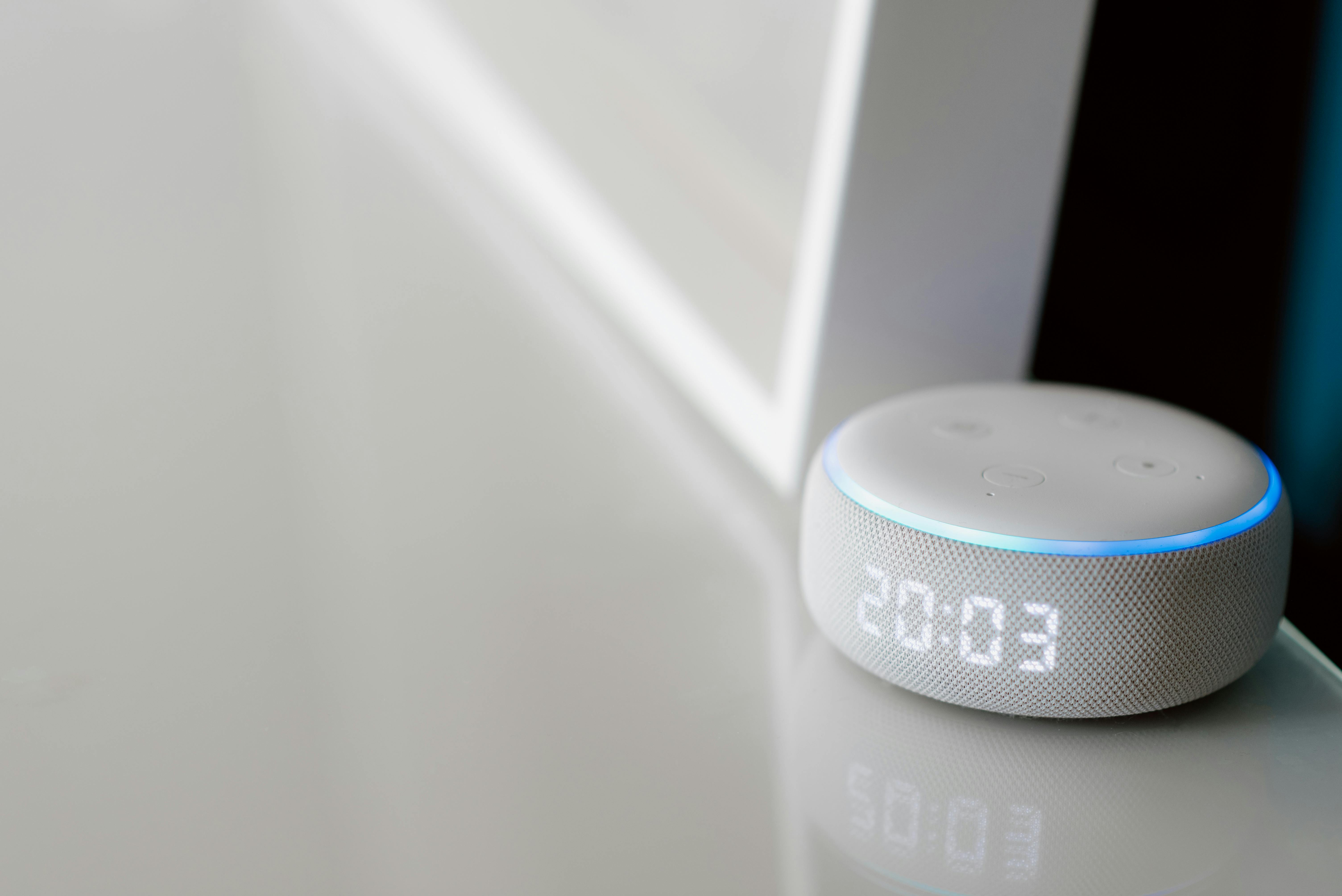
The future of smart living is here. In 2026, AI-powered smart home hubs are transforming houses into truly intelligent, personalized ecosystems. Discover how advanced AI, predictive automation, and seamless Matter 2.0 integration are revolutionizing convenience, security, and energy efficiency. We compare the top AI smart home controllers to help you choose the best system for ultimate home automation and smart living.
Introduction to the Topic
Welcome to 2026, where the smart home isn't just a collection of connected gadgets; it's a living, breathing entity, powered by an intelligent brain: the AI-driven smart home hub. Gone are the days of simple voice commands and basic automation routines. Today's smart homes are predictive, proactive, and profoundly personalized, learning your habits, anticipating your needs, and optimizing your environment without you lifting a finger. This isn't just about convenience; it's about a fundamental shift in how we interact with our living spaces, making them more efficient, secure, and genuinely responsive to our lifestyles.
The convergence of powerful artificial intelligence, robust connectivity standards like Matter 2.0, and increasingly sophisticated sensor technology has unlocked a new era of home automation. From optimizing energy consumption based on weather forecasts and occupancy patterns to preemptively adjusting lighting for your evening routine or enhancing security with intelligent anomaly detection, AI hubs are the central nervous system of the modern smart home. If you’re looking to upgrade your smart home setup, understand the best smart home systems, or simply curious about the next frontier in home technology, you're in the right place. We'll dive deep into what makes these AI hubs indispensable, explore their capabilities, and compare the leading options that are defining smart living in 2026.
Backgrounds & Facts
The evolution of smart home technology has been rapid, moving from clunky, proprietary systems to the more integrated, albeit still fragmented, ecosystems of the early 2020s. The major breakthrough, and indeed the cornerstone of the 2026 smart home, is the widespread adoption and maturity of AI algorithms coupled with universal interoperability standards. Matter 2.0, now firmly established, has finally delivered on the promise of seamless communication between devices from different manufacturers, dismantling the walled gardens that once plagued smart home enthusiasts. This means your Philips Hue lights can effortlessly communicate with your Ecobee thermostat and your Ring security camera, all orchestrated by a central AI brain.
Beyond interoperability, the sheer processing power and sophistication of AI have skyrocketed. Today's AI hubs leverage on-device machine learning and cloud-based intelligence to analyze vast amounts of data – from your daily routines and environmental conditions to external factors like local traffic and news. This data isn't just collected; it's actively processed to create a truly adaptive home. For instance, an AI hub can learn that you prefer cooler temperatures for sleep, automatically adjusting your thermostat an hour before bedtime, or recognize when you typically leave for work and arm the security system and turn off lights without a prompt. Facial recognition for guest entry, predictive maintenance alerts for appliances, and even personalized air quality management are becoming standard features.
The market for smart home devices and services is projected to exceed $200 billion globally by 2026, with AI-powered hubs and platforms driving a significant portion of this growth. Consumers are no longer just seeking convenience; they demand efficiency, security, and a truly personalized experience. The emphasis has shifted from simply connecting devices to creating an intelligent environment that anticipates and responds to human needs, fostering a new level of comfort, safety, and energy savings. This robust market growth underscores the increasing consumer desire for sophisticated home automation solutions that genuinely simplify and enrich daily life.
Expert Opinion / Analysis
"The smart home in 2026 is no longer a luxury gadget collection; it's an intelligent partner," states Dr. Evelyn Reed, a leading AI ethics and smart technology futurist. "The integration of advanced AI into central hubs marks the pivotal moment where smart homes transitioned from reactive to proactive. What we're seeing now is a shift from 'if this, then that' rules to systems that understand context, predict intent, and even learn from subtle human cues. Privacy and data security remain paramount, but the industry is making significant strides with on-device processing and robust encryption to build trust."
Our own analysts at phonestadium.com concur. The true value proposition of the 2026 AI smart home hub lies in its ability to abstract away complexity. Users aren't managing individual devices; they're interacting with an intelligent system that understands their lifestyle. This leads to profound benefits: substantial energy cost savings through optimized climate control and lighting, enhanced home security with AI-driven anomaly detection that can differentiate between a pet and an intruder, and unparalleled convenience as your home anticipates your needs. The rise of sophisticated natural language processing also means more intuitive voice control, moving beyond rigid commands to conversational interactions.
However, the analysis isn't without its caveats. While Matter 2.0 has significantly improved interoperability, the depth of AI integration still varies across platforms. Some ecosystems offer deeper learning capabilities and more sophisticated predictive models than others. The choice of an AI hub often dictates the ceiling of your smart home's intelligence. Furthermore, the initial setup and fine-tuning of these advanced AI systems, while becoming more user-friendly, still require a degree of commitment. Consumers need to weigh the benefits of deep integration against potential learning curves and the importance of data privacy policies from each vendor. Ultimately, the best AI smart home hub is one that balances cutting-edge intelligence with robust security and a user-friendly experience tailored to individual needs.
💰 Best Options in Comparison (VERY IMPORTANT)
Choosing the right AI-powered smart home hub in 2026 is a critical decision that will define your smart home experience. These platforms offer varying degrees of AI sophistication, ecosystem compatibility, and unique features. We've evaluated the leading contenders based on their AI capabilities, interoperability (especially Matter 2.0 support), privacy features, ease of use, and overall value proposition.
- Google Nest Hub Max (with enhanced Assistant AI): A powerhouse for Google ecosystem users, offering advanced visual and audio AI for contextual awareness, smart displays, and robust integration with Nest products and a vast array of Matter-enabled devices.
- Apple HomePod (with Siri AI & HomeKit): The go-to for Apple aficionados, providing exceptional audio quality, secure on-device AI processing for privacy, and seamless integration with HomeKit devices and Matter 2.0. Focuses on privacy-first intelligence.
- Amazon Echo Show (with Alexa AI & Astro OS): Leveraging Amazon's vast Alexa ecosystem, these hubs offer comprehensive device support, advanced visual AI (especially with the Astro OS for mobile hubs), and a strong focus on entertainment and communication features.
- Samsung SmartThings Hub (with Bixby AI & SmartThings Platform): A highly versatile option, acting as a universal translator for a multitude of smart home protocols. Its Bixby AI integration provides intelligent automation across a wide range of devices, perfect for mixed-device households.
- Home Assistant (with AI Integration Plugins): For the tech-savvy and privacy-conscious, Home Assistant combined with powerful AI plugins (like custom LLMs or local inference engines) offers unparalleled customization, local control, and open-source flexibility, though it requires more technical expertise.
Below is a detailed comparison table to help you make an informed decision:
| Feature | Google Nest Hub Max (AI) | Apple HomePod (AI) | Amazon Echo Show (AI) | Samsung SmartThings Hub (AI) | Home Assistant (AI Plugins) |
|---|---|---|---|---|---|
| Primary AI Assistant | Google Assistant | Siri | Alexa | Bixby / SmartThings AI | Customizable (e.g., GPT, local LLMs) |
| Matter 2.0 Support | Excellent (Built-in Thread Border Router) | Excellent (Built-in Thread Border Router) | Very Good (Built-in Thread Border Router) | Excellent (Zigbee, Z-Wave, Thread) | Excellent (via integrations/add-ons) |
| Predictive Automation | High (Contextual, routine learning) | High (Activity-based, geo-fencing) | Medium-High (Routine-based, some learning) | Medium-High (SmartThings Rules Engine) | Highest (Fully customizable logic) |
| Privacy & Security | Good (On-device processing for some tasks) | Excellent (Strong on-device processing) | Good (Configurable privacy settings) | Good (Samsung Knox security) | Excellent (Local control, user-defined) |
| Ecosystem Integration | Google Home, Nest, Android | Apple HomeKit, iOS, macOS | Amazon Alexa, Ring, Fire TV | Samsung SmartThings, Bixby, Samsung Devices | Broadest (Thousands of integrations) |
| Ease of Use | Very Good | Excellent | Very Good | Good | Requires Technical Skill |
| Average Price Range (2026 est.) | $220 - $350 | $299 - $499 | $150 - $400 | $100 - $250 | Varies (Hardware + Time) |
Outlook & Trends
The trajectory for AI-powered smart home hubs in the coming years is nothing short of revolutionary. We anticipate even deeper integration of generative AI, allowing for more natural, conversational interactions and the creation of dynamic, on-the-fly routines based on complex requests. Imagine telling your home, "Make it feel like a cozy autumn evening," and the AI adjusts lighting, temperature, and even plays ambient sounds, all without predefined scenes.
Edge computing will become increasingly prevalent, pushing more AI processing directly onto devices rather than relying solely on the cloud. This trend will enhance privacy, reduce latency, and ensure greater reliability, even during internet outages. Furthermore, expect to see AI hubs evolve into comprehensive health and wellness monitors, subtly tracking vital signs, sleep patterns, and air quality, offering proactive health insights and personalized recommendations for a healthier living environment.
The concept of the 'Ambient Home' will solidify, where technology fades into the background, operating seamlessly and intuitively without explicit commands. Your home will learn your emotional states through subtle cues (e.g., voice tone, movement patterns) and adapt accordingly, creating truly empathetic living spaces. While the core players will continue to innovate, expect new entrants focusing on niche AI applications, such as specialized elder care AI or hyper-efficient energy management systems, further diversifying the smart home landscape. The future is about more than just smart devices; it's about intelligent environments that understand and cater to the human condition.
Conclusion
The smart home of 2026, powered by advanced AI hubs, represents a paradigm shift from simple automation to truly intelligent living. These central brains are not just connecting your devices; they are learning your habits, anticipating your needs, and proactively optimizing your environment for unparalleled convenience, security, and efficiency. With Matter 2.0 finally delivering universal interoperability, the fragmented smart home is a thing of the past, opening the door for seamless integration across all your devices.
Whether you're deeply embedded in the Apple, Google, or Amazon ecosystem, or prefer the open versatility of Samsung SmartThings or Home Assistant, there's an AI hub ready to transform your house into a truly responsive and personalized sanctuary. Investing in a robust AI smart home controller now means stepping into a future where your home actively contributes to your comfort, well-being, and peace of mind. The era of the truly intelligent home is here, and choosing the right AI brain is your first step towards unlocking its full potential.