
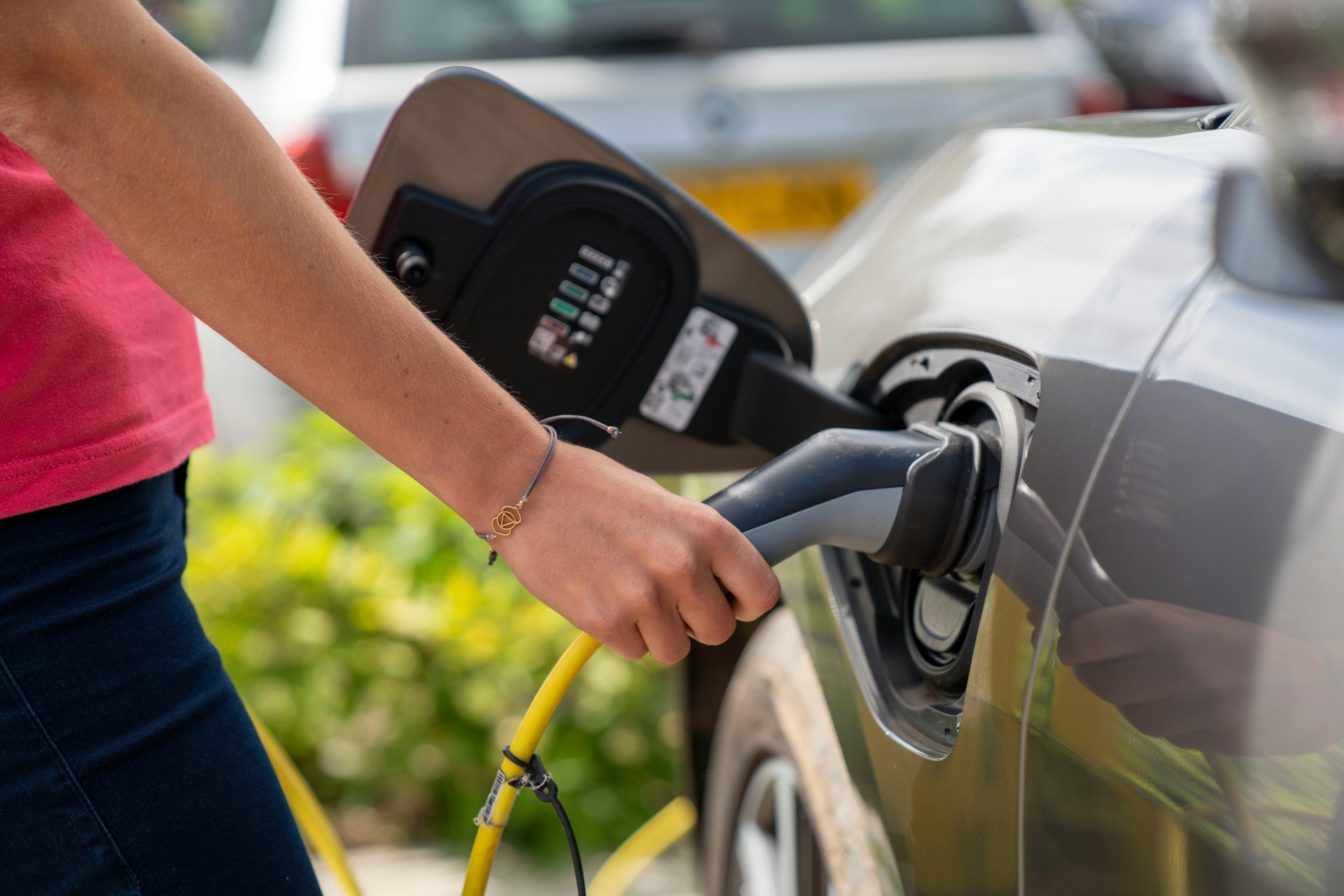
The future of electric vehicles is here, and it's powered by solid-state batteries. Discover how this revolutionary technology is set to redefine EV range, charging speed, and safety, making your next electric car purchase in 2026 or beyond a truly transformative investment. Get ready to compare the best EV options and understand why upgrading to solid-state might be the smartest move for your wallet and the planet.
Introduction to the Topic
Welcome to 2026, a pivotal year for electric vehicles. While the EV revolution has been steadily gaining momentum, we stand on the precipice of a seismic shift in battery technology that promises to accelerate adoption like never before: the commercialization of solid-state batteries. For years, these next-generation power packs have been the 'holy grail' of EV development, whispered about in labs and teased in concept cars. Now, they are finally becoming a tangible reality, set to transform everything you thought you knew about electric car performance, safety, and overall value.
This isn't just an incremental upgrade; it's a fundamental reimagining of the energy storage that fuels our electric future. For consumers, this means goodbye range anxiety, hello ultra-fast charging, and a significant leap in vehicle longevity and safety. If you're considering buying an EV, or upgrading your current one, understanding solid-state technology isn't just smart – it's essential for making the best purchasing decision in this rapidly evolving market. Get ready to explore why 2026 marks the beginning of the solid-state era, and how it will impact your next EV investment.
Backgrounds & Facts
At its core, a solid-state battery replaces the liquid or gel electrolyte found in traditional lithium-ion (Li-ion) batteries with a solid material. This seemingly simple change unlocks a cascade of benefits that address the primary limitations of current EV power sources. While conventional Li-ion batteries have served us well, they come with inherent trade-offs in energy density, charging speed, and thermal stability due to their flammable liquid electrolytes.
The Solid-State Advantage: A Closer Look
- Superior Energy Density: Solid electrolytes allow for the use of lithium metal anodes, which boast significantly higher energy density than the graphite anodes in Li-ion batteries. This translates directly into more range for the same battery size and weight, or a smaller, lighter battery for the same range. Imagine a compact SUV achieving 600+ miles on a single charge – that's the solid-state promise.
- Ultra-Fast Charging: The solid electrolyte facilitates faster ion movement and prevents dendrite formation, a common issue in Li-ion batteries during rapid charging that degrades performance and safety. This means charging an EV from 10% to 80% in as little as 10-15 minutes, rivaling or even surpassing gasoline refueling times.
- Enhanced Safety: The solid, non-flammable electrolyte eliminates the risk of thermal runaway and fire, a major concern with liquid electrolytes. This significantly improves the overall safety profile of EVs, making them more resilient to impact and extreme temperatures.
- Longer Lifespan & Durability: Solid-state batteries exhibit superior cycle life and retention of capacity over time, meaning your EV's battery will degrade slower and last longer, enhancing the vehicle's resale value and reducing long-term ownership costs.
- Wider Operating Temperature Range: These batteries can perform more efficiently in extreme hot and cold conditions, reducing range degradation in winter and improving performance in summer.
Leading the charge in solid-state development are giants like Toyota, Nissan, Samsung, and startups such as QuantumScape and Solid Power. While challenges in manufacturing scalability and cost remain, significant breakthroughs in materials science and production techniques have brought us to this exciting juncture in 2026, with initial deployments expected in premium and performance vehicles.
Expert Opinion / Analysis
Industry analysts and automotive engineers are unanimous: solid-state batteries are not just an evolution, but a revolution. Dr. Anya Sharma, lead battery researcher at EV Solutions Group, states, "We've been optimizing lithium-ion for decades. Solid-state represents a clean slate, offering a step-change in performance that no amount of Li-ion tweaking could achieve. By 2028, we expect solid-state to be a significant market force, especially in segments where range and charging speed are paramount."
The initial rollout in 2026 and 2027 will likely target high-end models, serving as a proving ground before trickling down to more mainstream segments. This strategy allows manufacturers to recoup significant R&D costs and refine production processes. "Expect to see luxury sedans and high-performance SUVs from brands like Lexus, Porsche, and possibly even a limited-run Tesla variant showcasing this tech first," predicts market analyst Mark Jensen from AutoForecast Solutions. "These early adopters will command a premium, but the rapid development cycle means prices will fall faster than many anticipate, making them accessible to a broader market by the end of the decade."
The impact on the charging infrastructure will also be profound. While ultra-fast charging stations will still be valuable, the extended range of solid-state EVs could reduce the frequency of charging stops, alleviating grid strain during peak travel times. Furthermore, the enhanced safety profile could simplify battery pack design and vehicle integration, potentially leading to more flexible and innovative vehicle architectures.
However, experts caution that the transition won't be without its hurdles. Scaling production to meet global EV demand while maintaining cost-effectiveness is a monumental task. The precise chemical composition and manufacturing processes for solid electrolytes are proprietary and complex, requiring new gigafactories and supply chains. Despite these challenges, the consensus is clear: the benefits far outweigh the difficulties, and solid-state batteries are poised to be the dominant EV power source by the early 2030s.
💰 Best Options in Comparison (VERY IMPORTANT)
For the discerning buyer in 2026, the question isn't just 'which EV should I buy?' but 'should I wait for solid-state, or invest in an advanced Li-ion model now?' Let's compare some of the top-tier EVs available today (with their cutting-edge Li-ion tech) against the projected performance of early solid-state adopters or future upgrades, helping you make an informed purchasing decision.
While mass-market solid-state EVs are still a year or two away for widespread availability, several manufacturers are teasing or have announced limited production models for late 2026/early 2027. This comparison focuses on the *value proposition* of current top-tier Li-ion EVs versus the *future-proofing* and superior performance of solid-state technology.
Current Advanced Li-ion Contenders (2026 Models)
- Lucid Air Grand Touring: Still a benchmark for range and luxury, boasting over 500 miles EPA range and ultra-fast DC charging. A fantastic choice for those prioritizing immediate premium experience.
- Mercedes-Benz EQS 580 4MATIC: Combines opulent luxury with impressive range (around 400 miles) and sophisticated technology. A strong contender for luxury buyers.
- Hyundai IONIQ 7 (2026 Model): Expected to offer competitive range (350+ miles), fast 800V charging, and excellent value in the family SUV segment.
The Solid-State Promise (Projected Early Adopters / Future Upgrades)
- Lexus 'Electrified Sport' (Solid-State Variant): Rumored for a late 2026/early 2027 release with solid-state tech, targeting over 500 miles range and sub-10-minute charging.
- Nissan & Toyota Next-Gen EVs: Both manufacturers have aggressive timelines for solid-state, promising compact, high-density batteries enabling extended range and superior charging on upcoming platforms.
- QuantumScape/VW Partnership Vehicles: Volkswagen Group's premium brands (Audi, Porsche) are expected to integrate QuantumScape's solid-state tech into select models, pushing performance boundaries.
Here’s a comparative look to guide your decision:
| Feature | Advanced Li-ion (e.g., Lucid Air GT) | Solid-State (Projected Early Adopter) |
|---|---|---|
| Typical Range (EPA est.) | 400-520+ miles | 500-650+ miles (for similar battery size) |
| Charging Time (10-80% DC Fast) | 18-30 minutes | 10-15 minutes |
| Safety Profile | Very High (with advanced BMS) | Extremely High (non-flammable electrolyte) |
| Battery Lifespan/Cycles | 8-10 years / 100,000-150,000 miles warranty | Potentially 10-15+ years / 200,000+ miles |
| Weight/Volume (for equivalent range) | Standard | 15-30% Lighter/Smaller |
| Estimated Initial Cost Premium | Baseline Premium EV Cost | 15-30% Higher than equivalent Li-ion |
The Verdict: If you need an EV now and prioritize immediate luxury and proven performance, an advanced Li-ion model is an excellent choice. However, if you're willing to wait slightly longer, or are targeting a high-end purchase, a solid-state EV offers a compelling argument for superior long-term value, unparalleled performance, and cutting-edge technology. Consider leasing a current EV for 2-3 years, then upgrading when solid-state options become more prevalent and affordable.
Outlook & Trends
The dawn of solid-state batteries will ripple across the entire automotive ecosystem. Beyond improved vehicle performance, we'll see:
- New Vehicle Architectures: Smaller, lighter battery packs could free up design space, leading to more aerodynamic, spacious, or creatively designed EVs. Imagine sportscars with even lower centers of gravity or urban commuters with maximized interior volume.
- Enhanced Grid Integration (V2G/V2H): With increased battery longevity and safety, solid-state EVs will become even more reliable assets for Vehicle-to-Grid (V2G) and Vehicle-to-Home (V2H) applications, allowing owners to sell power back to the grid or power their homes during outages, further monetizing their EV investment.
- Sustainable Impact: The potential for longer battery life reduces the demand for raw materials over time, and some solid-state chemistries may utilize less rare earth metals. This contributes to a more sustainable lifecycle for EVs.
- Second-Life Applications: Even after their automotive life, solid-state batteries are expected to retain significant capacity, making them ideal for stationary energy storage solutions, further extending their utility and economic value.
- Accelerated EV Adoption: By addressing the core concerns of range anxiety, charging time, and safety, solid-state batteries will undoubtedly remove major psychological barriers, convincing more hesitant buyers to make the switch to electric.
The next five years will be a fascinating period of innovation and rapid market shifts. Keep an eye on announcements from major manufacturers and battery innovators, as the race to perfect and scale solid-state technology intensifies.
Conclusion
The year 2026 stands as a landmark in the electric vehicle journey, ushering in the era of solid-state batteries. This isn't just a technical upgrade; it's a paradigm shift that promises to deliver EVs with unprecedented range, lightning-fast charging, and superior safety – fundamentally changing the ownership experience. For those looking to invest in an electric vehicle, the timing couldn't be more critical. While current Li-ion EVs offer compelling performance, the impending arrival of solid-state technology presents a powerful case for considering future-proof options or strategizing your purchase to align with these groundbreaking advancements.
Whether you choose to embrace the cutting edge now or strategically plan your upgrade, understanding solid-state batteries is key to maximizing your investment in the electric future. Stay informed, compare your options carefully, and prepare to be amazed as your next electric car redefines what's possible on the road. The future of driving is here, and it's electrifyingly solid.